Do Bay Area homes commonly need panel upgrades for EV charging?
Understanding the electrical demands of an EV charger
Adding a dedicated circuit for an electric vehicle charger means adding a substantial load to your home's electrical panel. Most Level 2 chargers pull between 30 and 50 amps, which is roughly the same as running an electric range or a central air conditioner. In older Bay Area homes, the main panel may only have 100 amps of total capacity, and that capacity is often already spoken for by existing appliances, lighting, and general outlets.
The short answer is that many homes in the Bay Area do need a panel upgrade before they can safely install a dedicated EV charger. But it is not universal. Whether your home needs one depends on the age of the electrical system, the total load already on the panel, and the amperage of the charger you plan to install. A thorough installation assessment by a licensed electrician is the only reliable way to know for sure.
Why older panels struggle with EV charging
Homes built before the 1980s often came with 60-amp or 100-amp service. At the time, that was plenty for a home's needs: lights, a refrigerator, maybe a washer and dryer, and a few small appliances. Over the decades, homeowners added microwaves, home offices, air conditioning, hot tubs, and more. Each addition quietly ate into the panel's capacity. By the time you consider adding a 50-amp EV charger, the panel may have no room left.
Even newer homes can run into limits. A 200-amp panel is common in homes built after 2000, and that usually has enough headroom for an EV charger. But if the home already has electric heat, an electric water heater, a pool pump, and a large air conditioner, the combined load may still push the panel past its rating. The key is to calculate the existing load and compare it to the panel's rating, then see if the new charger fits within the safety margin.
The role of load management and load-shedding devices
Not every panel that looks full on paper actually needs a full upgrade. Modern technology offers alternatives. A load management system, sometimes called an energy management device, monitors the total current draw of the home and automatically reduces the charger's power when other large appliances are running. This allows you to install a charger on a panel that would otherwise be overloaded, without upgrading the panel itself.
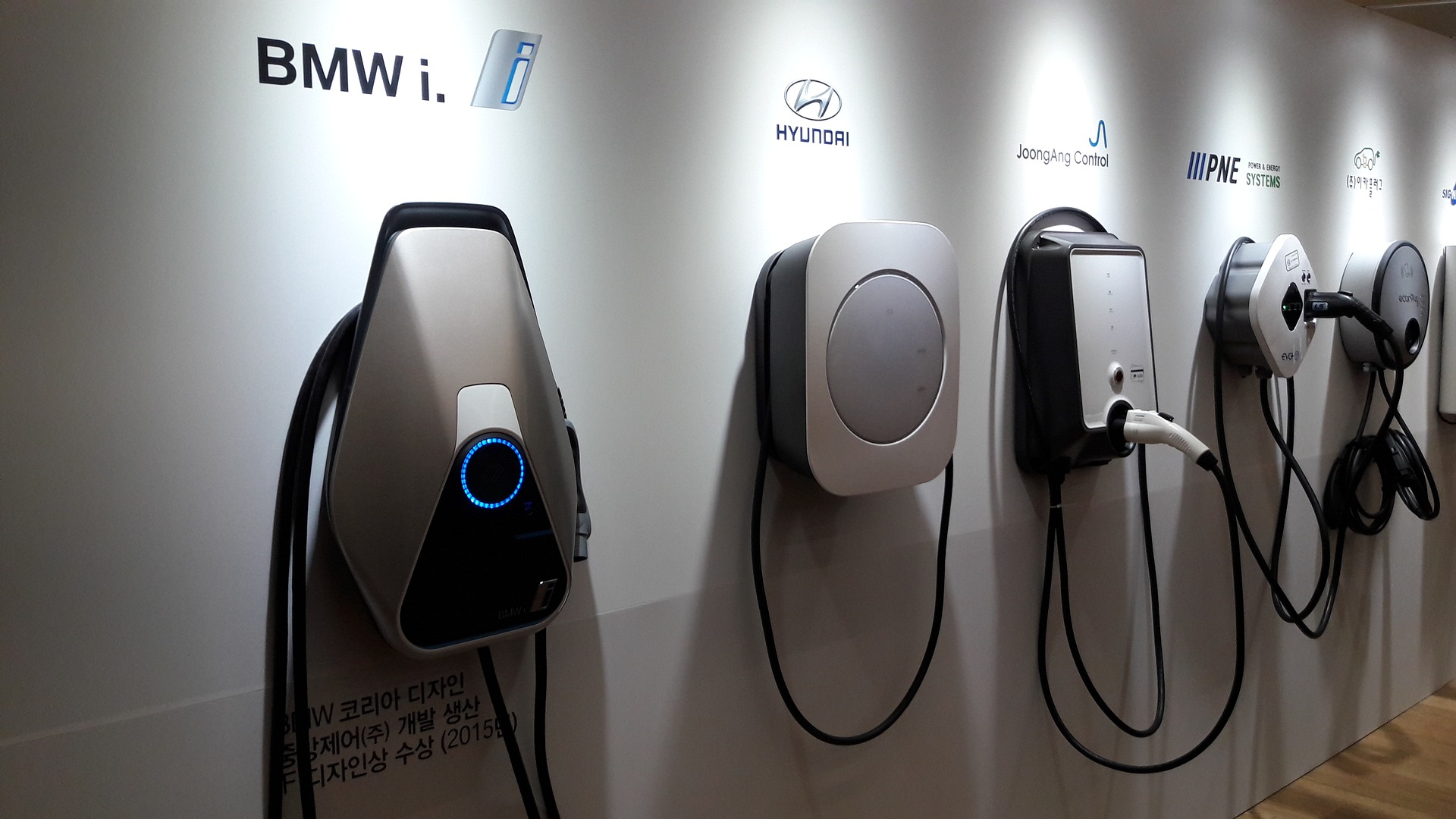
These systems are particularly useful in the Bay Area, where many homes have limited panel capacity but the owner does not want the cost and complexity of a service upgrade. They work well for most daily driving needs because the charger can run at full power overnight when other loads are low. The trade-off is that on rare occasions when the home is running near its limit, the charger will slow down temporarily. For most drivers, that is barely noticeable.
What a panel upgrade actually involves
If your home needs a panel upgrade, the electrician will replace the main service panel with one that has a higher amp rating, typically 200 amps or more. This often requires coordinating with the utility company because the service wires from the street may also need upgrading. In some cases, the meter base and the conduit from the meter to the panel must be replaced as well. The work is subject to permit and inspection by the local building department, which is standard practice across the Bay Area.
The physical space for the new panel also matters. In many older homes, the panel is located in a tight spot like a basement, a closet, or an exterior wall with limited clearance. If the new panel is larger, the electrician may need to relocate it or modify the surrounding structure. This is part of why a proper installation assessment includes looking at the property layout and the conduit route, not just the electrical load numbers.
When a panel upgrade is not needed
There are plenty of cases where a panel upgrade is unnecessary. If your home already has a 200-amp panel and the existing loads are modest, you may have enough spare capacity to add a 30-amp or 40-amp charger without any changes. Some homes even have a subpanel in the garage that was installed for a future workshop or a previous EV owner. If that subpanel has the right rating and available breaker slots, the charger can connect directly to it.
Another common scenario is that the panel has physical space for a new breaker but the total load calculation is borderline. In that case, the electrician can install a charger with a lower amperage, such as a 20-amp unit, which still provides enough range for most daily commutes in the Bay Area. Or they can use a load-shedding device as described earlier. The point is that a panel upgrade is not automatic, and there are multiple paths to a working EV charger installation.
Permits, inspections, and utility coordination
Any electrical work for an EV charger in the Bay Area requires a permit from the local city or county building department. This applies whether you are adding a new circuit to an existing panel or upgrading the panel itself. The permit process ensures that the work meets current code and is inspected by a qualified inspector. It also creates a record for future home sales, which can be important because an unpermitted installation may raise questions during a property transaction.
The utility connection is another variable. If the panel upgrade requires increasing the service size from 100 amps to 200 amps, the utility company must approve the change and may need to upgrade the transformer on the street. That process can take several weeks and may involve a site visit by the utility's engineers. The electrician typically handles the paperwork and scheduling, but the homeowner should be aware of the timeline.
How to tell if your home might need an upgrade
There are a few signs that your panel may be near its limit. If the main breaker trips occasionally when you run the microwave and the toaster at the same time, the panel is already under strain. If your panel is labeled as 100 amps and you have electric heat, an electric dryer, and a large air conditioner, adding a 50-amp charger is almost certainly going to require an upgrade. If your panel is 200 amps and you have gas appliances for heat, water, and cooking, you are likely in good shape.
But guessing is not reliable. The only way to know is to have an electrician perform a load calculation based on the actual appliances and circuits in your home. This calculation uses a standardized method from the National Electrical Code, and it accounts for the fact that not all loads run at the same time. The result tells you whether the existing panel can handle the new charger or whether a panel upgrade is needed.
This kind of local electrical planning for EVs is especially important in the Bay Area because of the mix of older homes, varied utility requirements, and the high number of homeowners who want to charge at home. Getting the assessment done early in the process saves time and avoids surprises later.
The bottom line on panel upgrades in the Bay Area
Panel upgrades are common in the Bay Area, but they are not a given. Homes with 100-amp service and heavy existing loads often need an upgrade. Homes with 200-amp service and moderate loads usually do not. Load management devices and lower-amperage chargers provide alternatives for borderline cases. The key is to work with a licensed electrician who understands the local codes, utility requirements, and inspection processes.

Before you buy an EV or schedule an installation, have an electrician look at your panel and do a load calculation. That one step will tell you exactly where you stand and what your options are. A small investment in a thorough installation assessment now can prevent headaches and extra costs down the road. And for homeowners who do need an upgrade, the work adds long-term value to the property and prepares the home for the growing role of electric transportation.
In the end, local electrical planning for EVs is about matching the charger to the home's existing capacity, not about forcing a one-size-fits-all solution. The Bay Area has a wide range of housing stock, from century-old bungalows to modern townhouses, and each one needs a tailored approach. With the right assessment and the right equipment, almost any home can support an EV charger safely and efficiently.